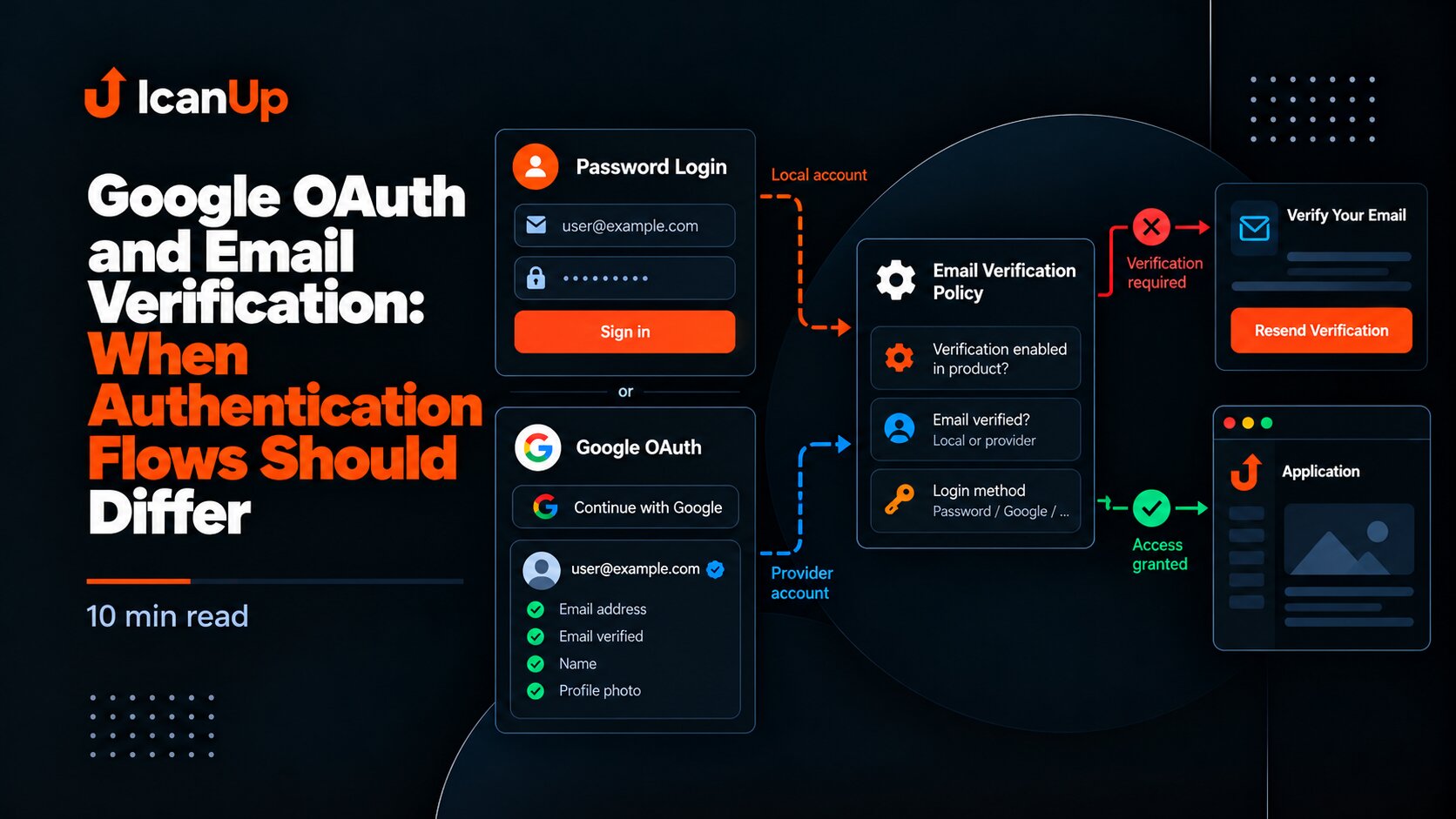
Password login and Google OAuth can provide different guarantees about an email address, so one post-login verification rule is not always correct. This article covers when local email verification is needed, when it may be redundant, and why disabled verification should not accidentally block OAuth users.
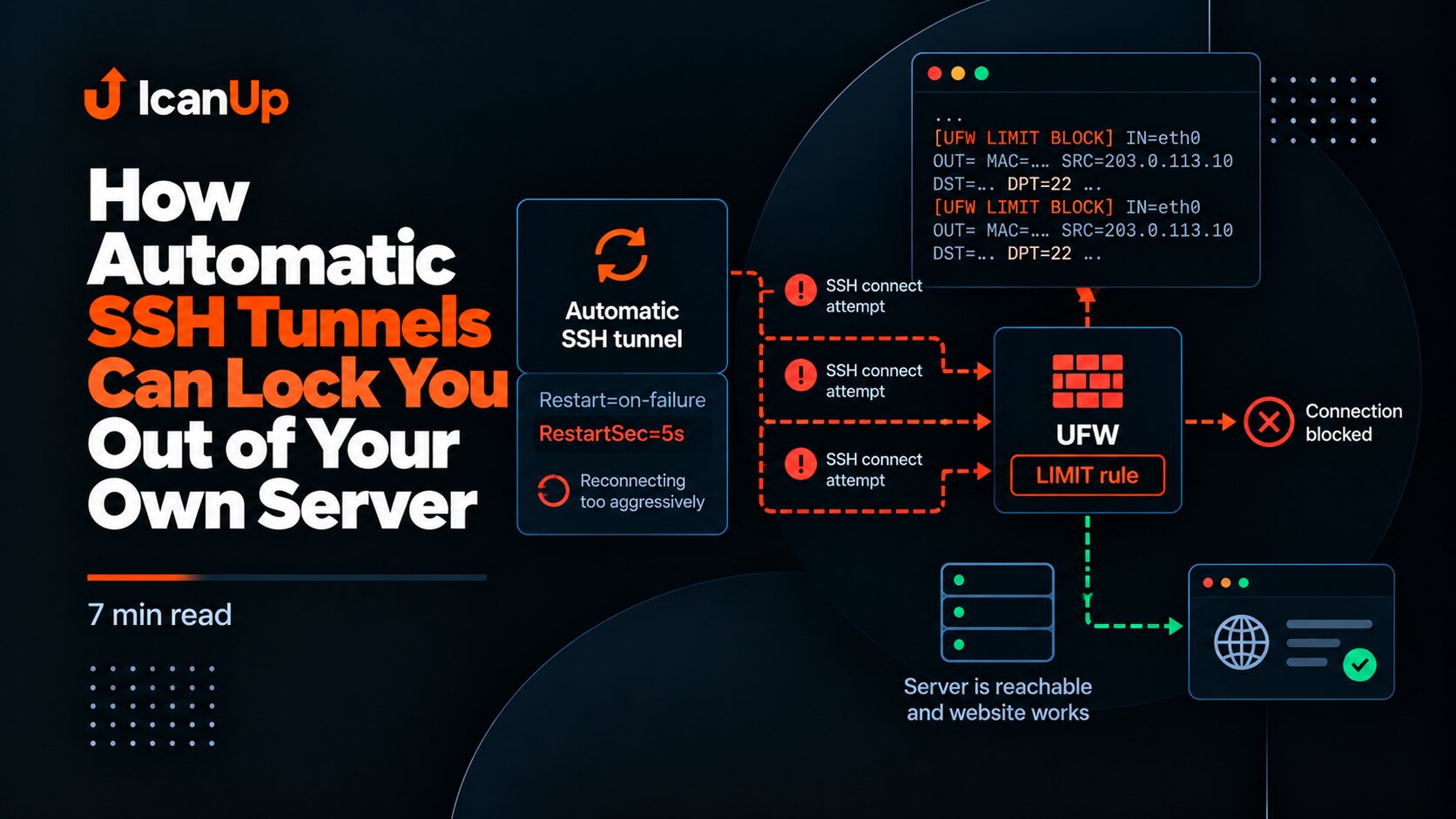
SSH can stop accepting new connections even while the server is reachable, the website works, and sshd is active. One less obvious cause is an automatic SSH tunnel that reconnects too aggressively and hits an UFW LIMIT rule.
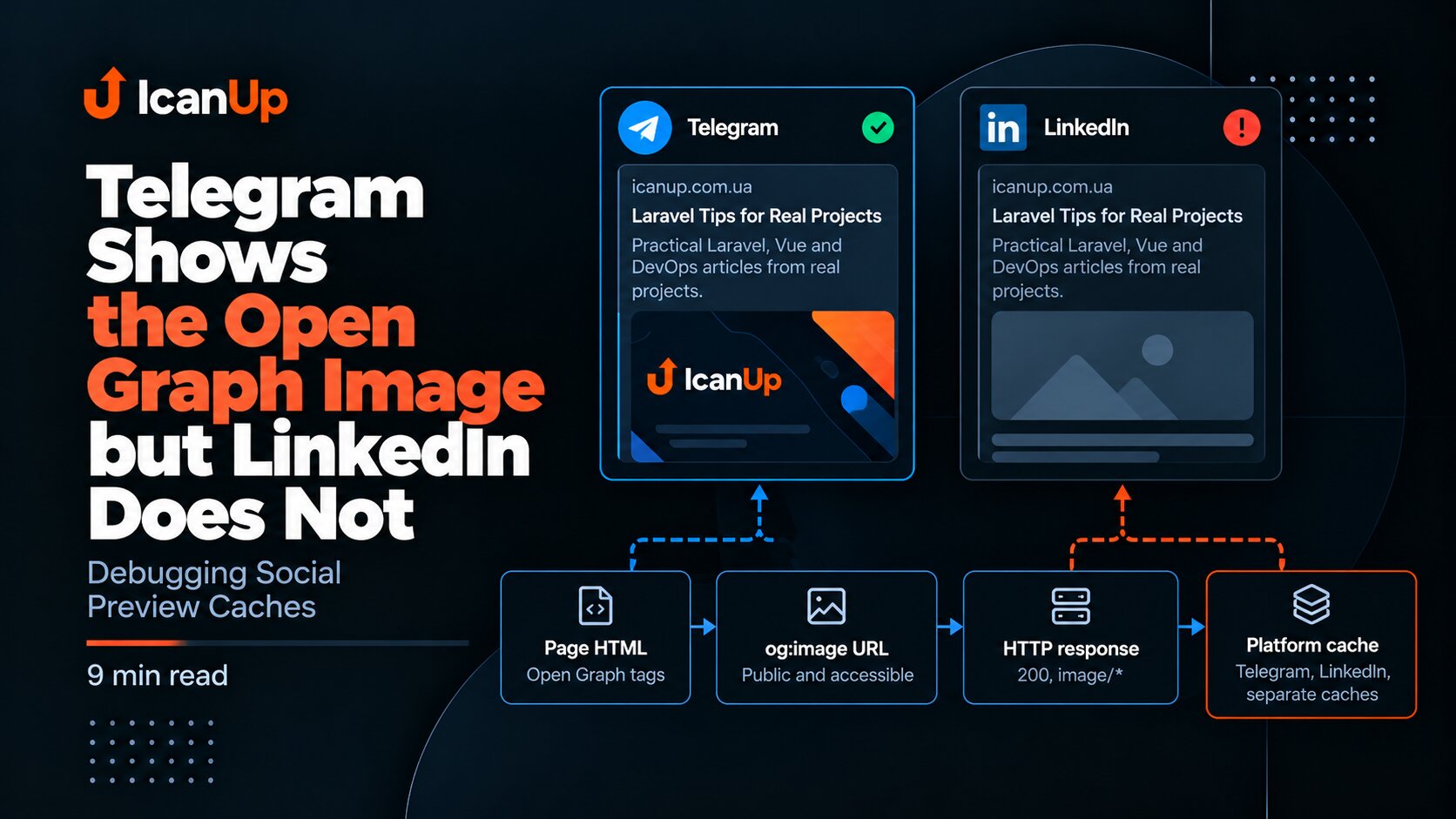
One platform may already show the new Open Graph image while another still serves an older preview. That does not always mean your meta tags are wrong. Debug HTML, SSR, og:image accessibility, HTTP responses, and each crawler cache separately.
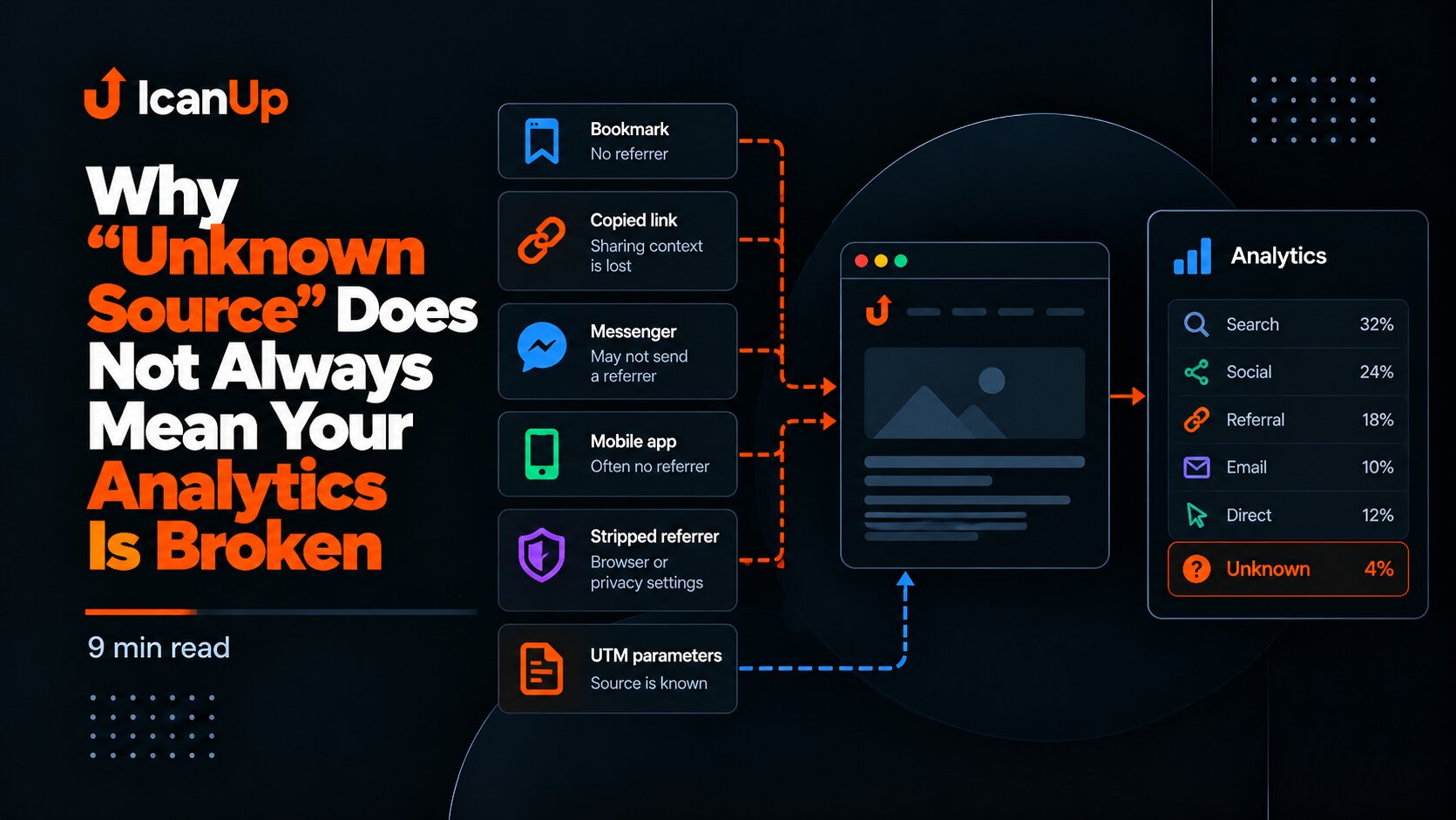
A missing traffic source does not always mean data was lost. Direct visits, copied links, messengers, mobile apps, or stripped referrers may legitimately leave the source unknown. The key is distinguishing genuinely unavailable attribution from failures in your own tracking.
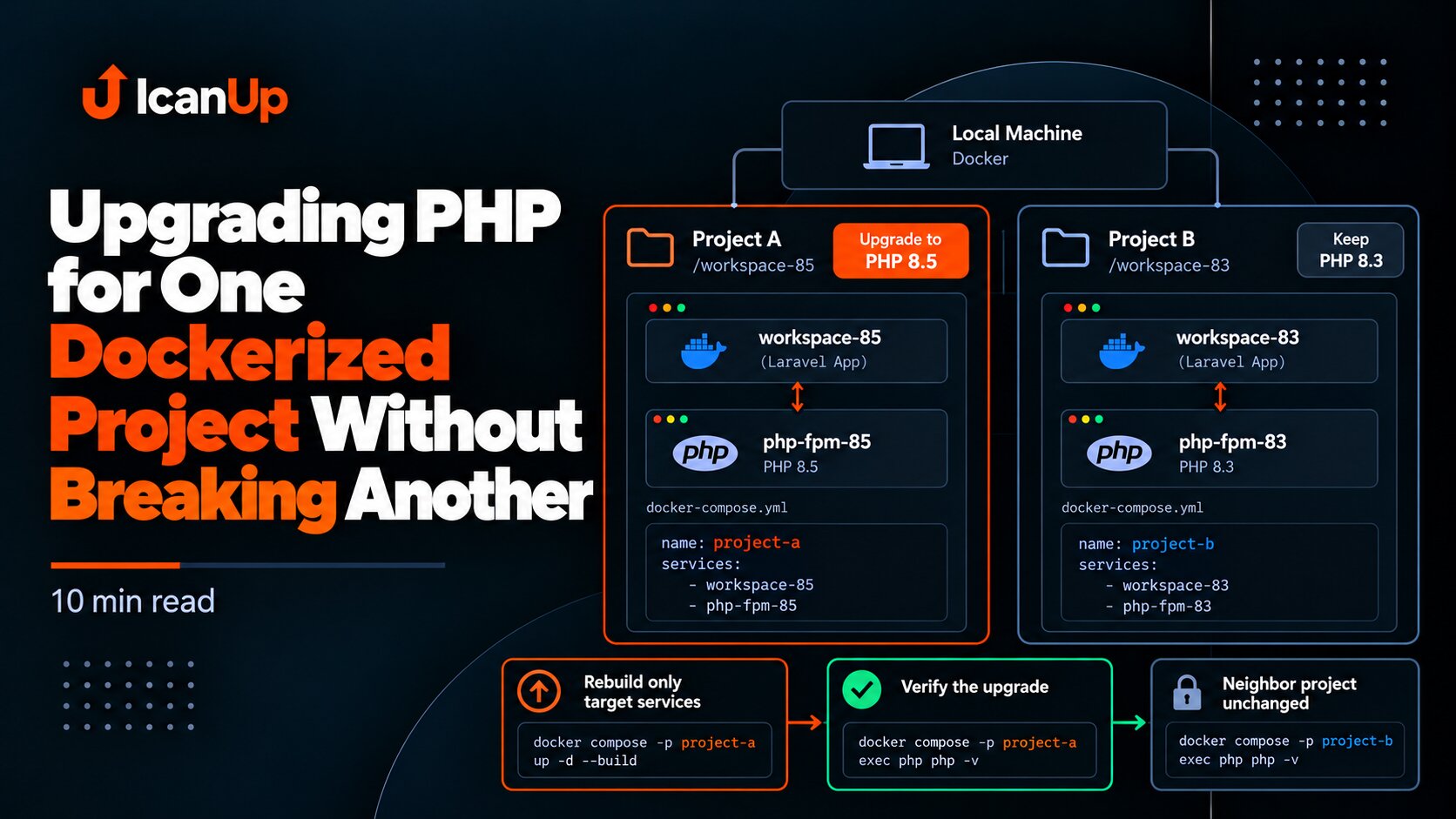
When several Dockerized projects share one machine, a PHP upgrade should remain a local change to one environment. Isolated runtimes, separate workspace containers, clear service naming, and Composer compatibility checks help prevent one project upgrade from silently breaking another.
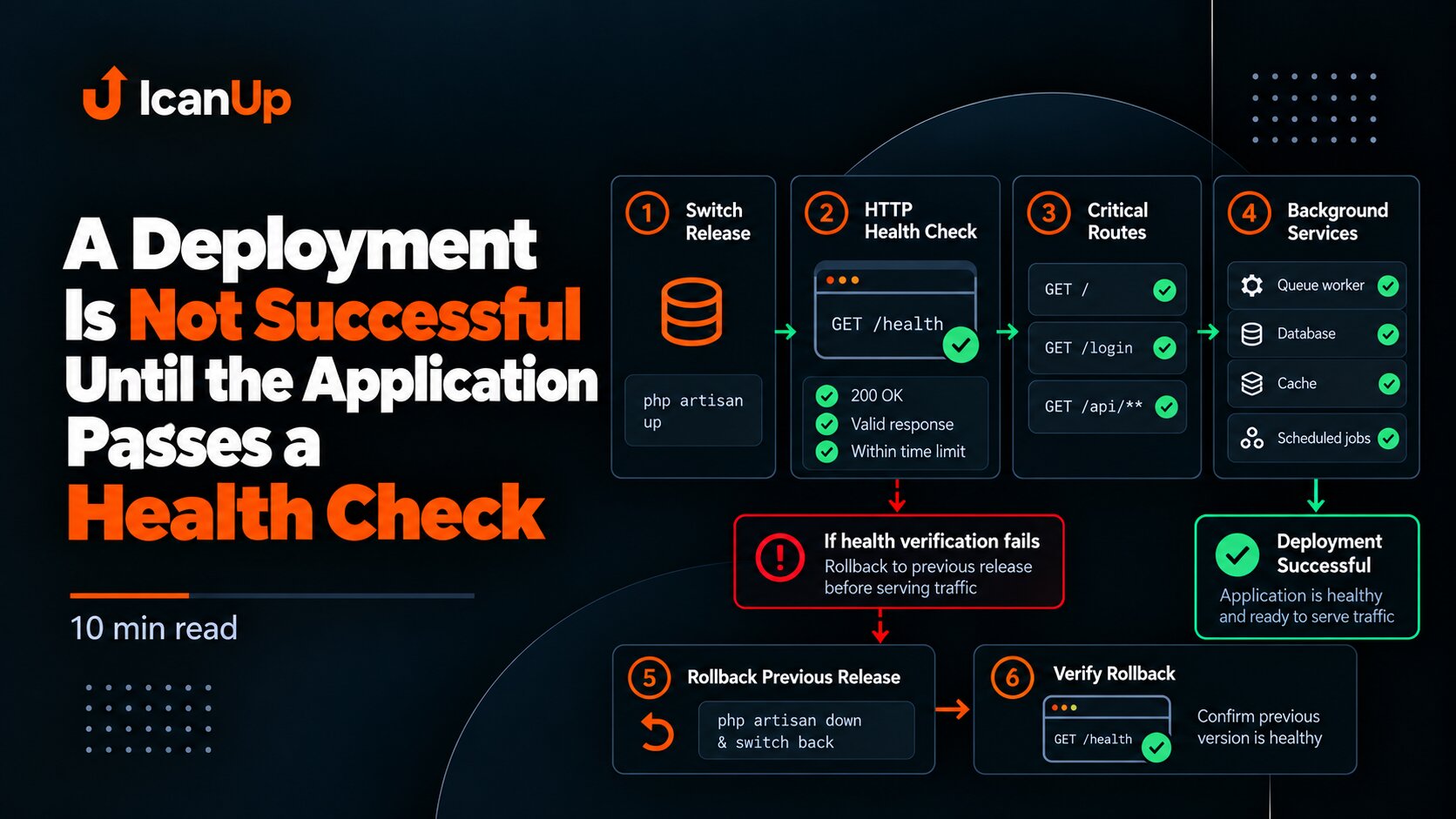
Completed deployment commands do not prove that the application works. After the switch, verify HTTP responses, critical services, and background processes. If verification fails, roll back and verify the rollback itself.
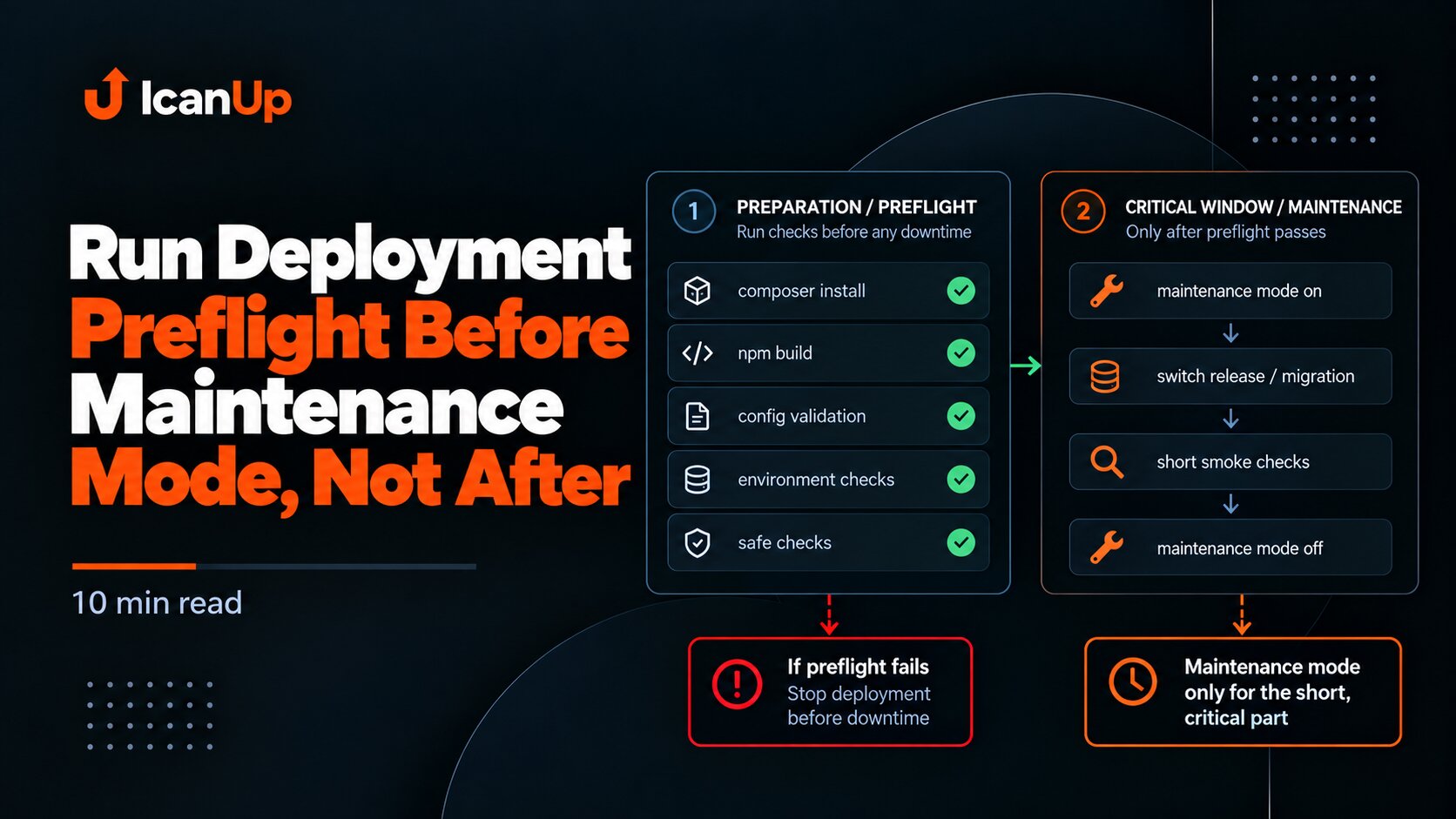
If the build, dependencies, configuration, or basic checks can fail before production state changes, there is no reason to make the site unavailable first. Maintenance mode should begin only after preflight passes and only for steps that truly require a short downtime window.
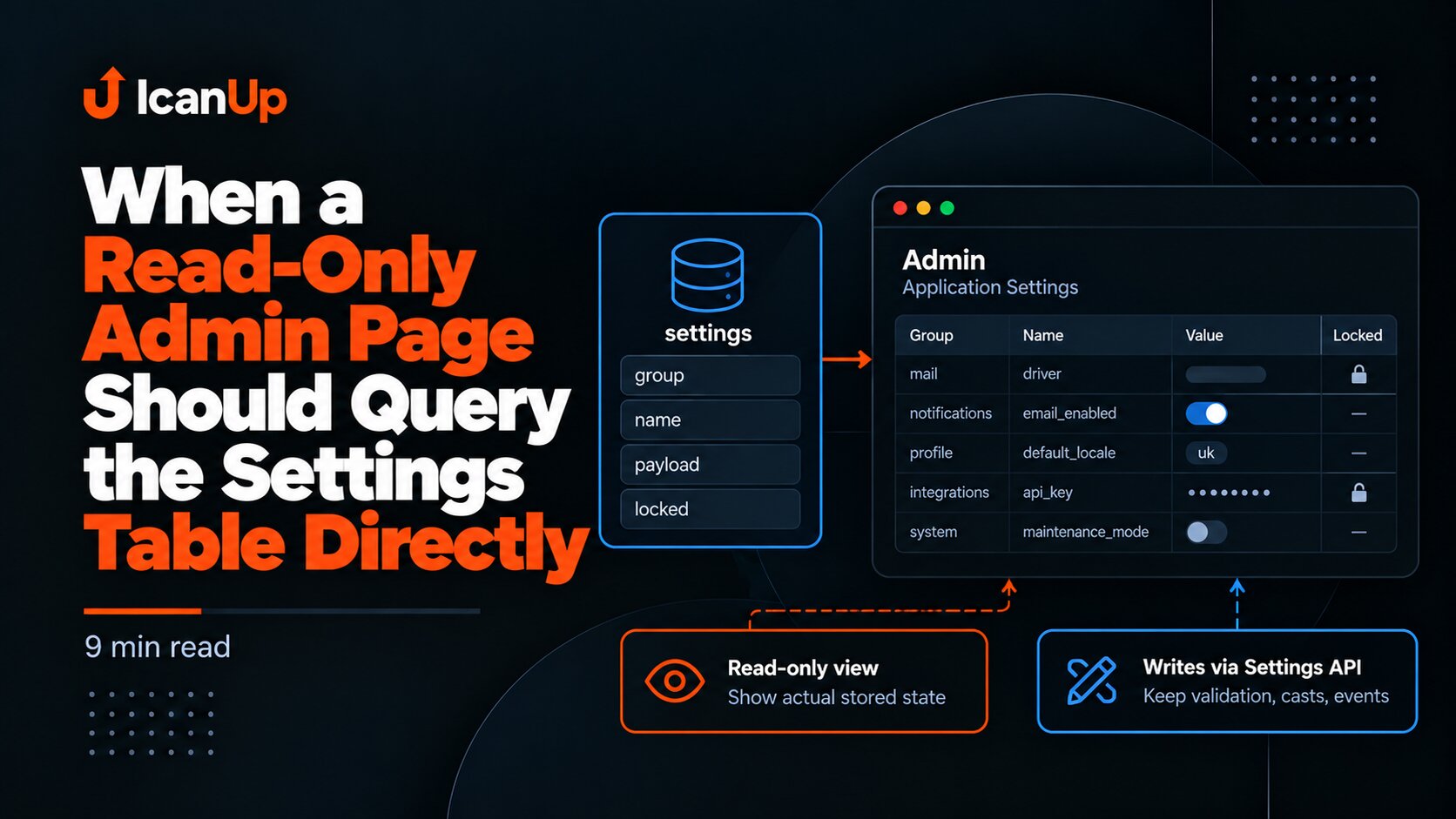
If an admin page only displays the actual stored settings state, while multiple groups share one table, loading every Settings class may be unnecessary. For a read-only view, querying the table directly can be simpler and more precise without turning that shortcut into a write path.
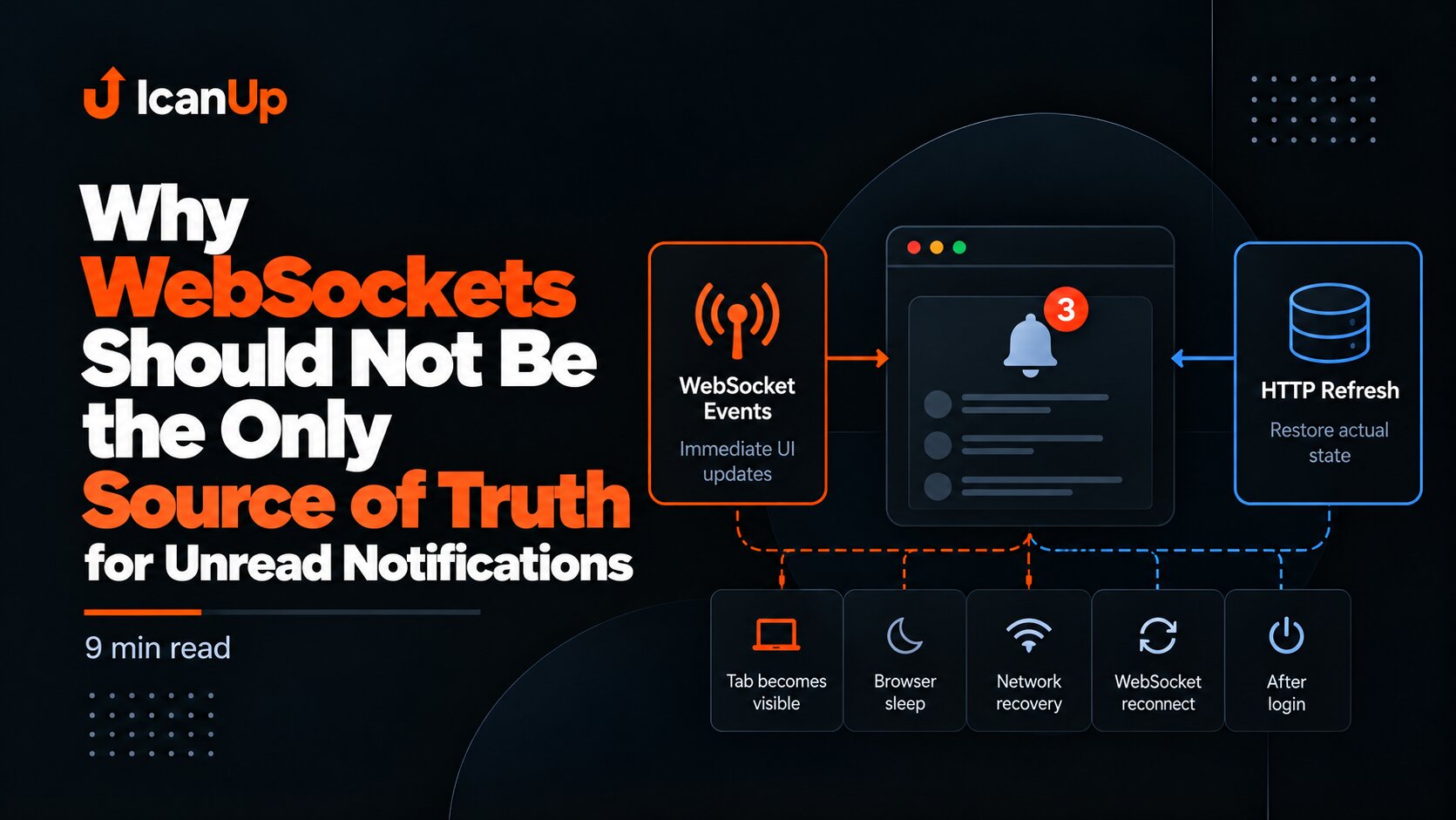
WebSockets are excellent for immediate UI updates, but events can be missed. A tab may sleep, the network may disappear, or a laptop may wake after a pause. Real-time events should therefore be paired with HTTP refreshes that restore the actual state.
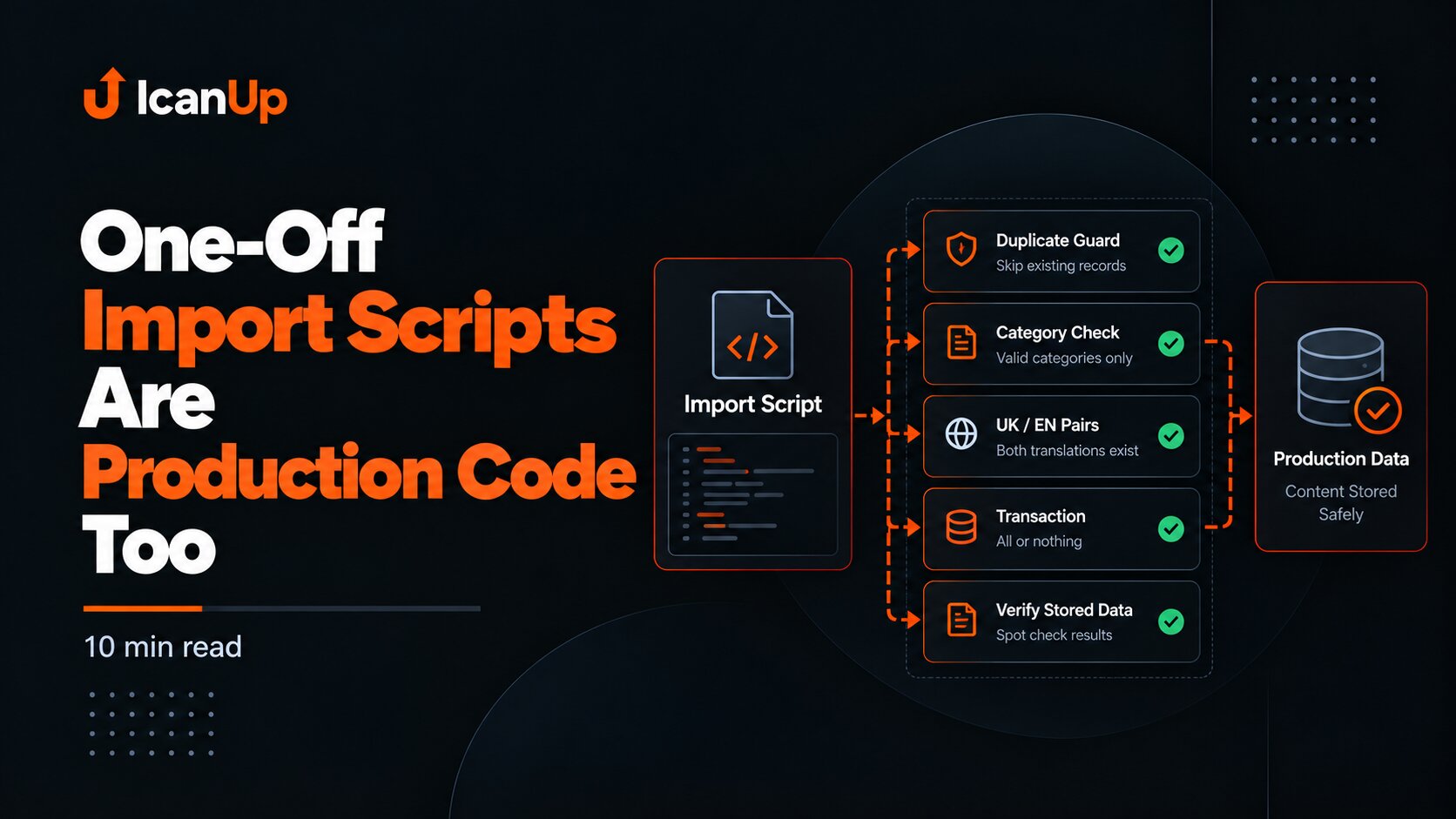
A script that runs only once can still create duplicates, assign the wrong category, publish internal identifiers, or break bilingual content structure. If it changes production data, it deserves the same defensive thinking as regular application code.